
SEO for ecommerce brands
Build product and location visibility for online stores, specialist retailers and direct-to-consumer brands.

Improve product rankings, local ecommerce visibility and qualified customer purchases with an SEO strategy built for stores, retailers, dentists and multi-location retail brands.
Ecommerce SEO is the process of improving a store or ecommerce website so customers can discover the right product, brand and location through organic search. It connects technical SEO, local SEO, product content and conversion paths with the way people research purchase journey.
Customers are not only comparing rankings. They assess storeal expertise, service suitability, distance, availability, reviews and the next step. A focused ecommerce SEO strategy makes this information easier for search engines to understand and easier for customers to use.
See the customer search journey ↓The page structure, keywords, local signals and conversion path are adapted to the way each ecommerce audience searches and chooses.
Build product and location visibility for online stores, specialist retailers and direct-to-consumer brands.
Connect brand expertise with relevant products, procedures and purchase-ready searches.
Improve organic visibility for high-value products, categories, brands and commercial search terms.
Create a scalable service and location architecture without duplicate or competing pages.
These common ecommerce SEO problems make it harder for Google to understand the business and harder for suitable customers to book an purchase.
Customers cannot find enough detail about the specific service, storeian or next step they need.
Missed product demandDuplicate or thin location pages create weak relevance and an unclear product discovery footprint.
Inconsistent organic visibilityPages offer generic advice without clear authorship, professional review or a useful route to purchase journey.
Low trust and weak differentiationReports stop at sessions and form fills, so the team cannot see which searches create suitable orders.
Unclear commercial valueTechnical SEO, product-page optimization, local ecommerce SEO, product content and purchase analytics work together to make the business easier to discover, understand and choose.
Review site architecture, internal links, canonical signals, structured data, mobile performance and indexing so search engines can access the pages customers need.
Separate informational research from purchase-ready searches and build a page system that avoids cannibalization.
Strengthen Google Merchant Center information, location pages, citations and product relevance for the areas the business genuinely serves.
Clarify authorship, professional review, brand credentials and purchase tracking so performance is evaluated responsibly.
SEO becomes more useful when content supports the questions a customer asks before choosing purchase journey.
Helpful educational content explains the topic, highlights appropriate next steps and avoids diagnosing the reader.
Detailed service and brand pages explain suitability, process, experience and what a customer can expect.
Product proof, policies, reviews, delivery information and clear ownership reduce uncertainty before contact.
Prominent product views, carts and checkout routes make the next step obvious on every relevant device.
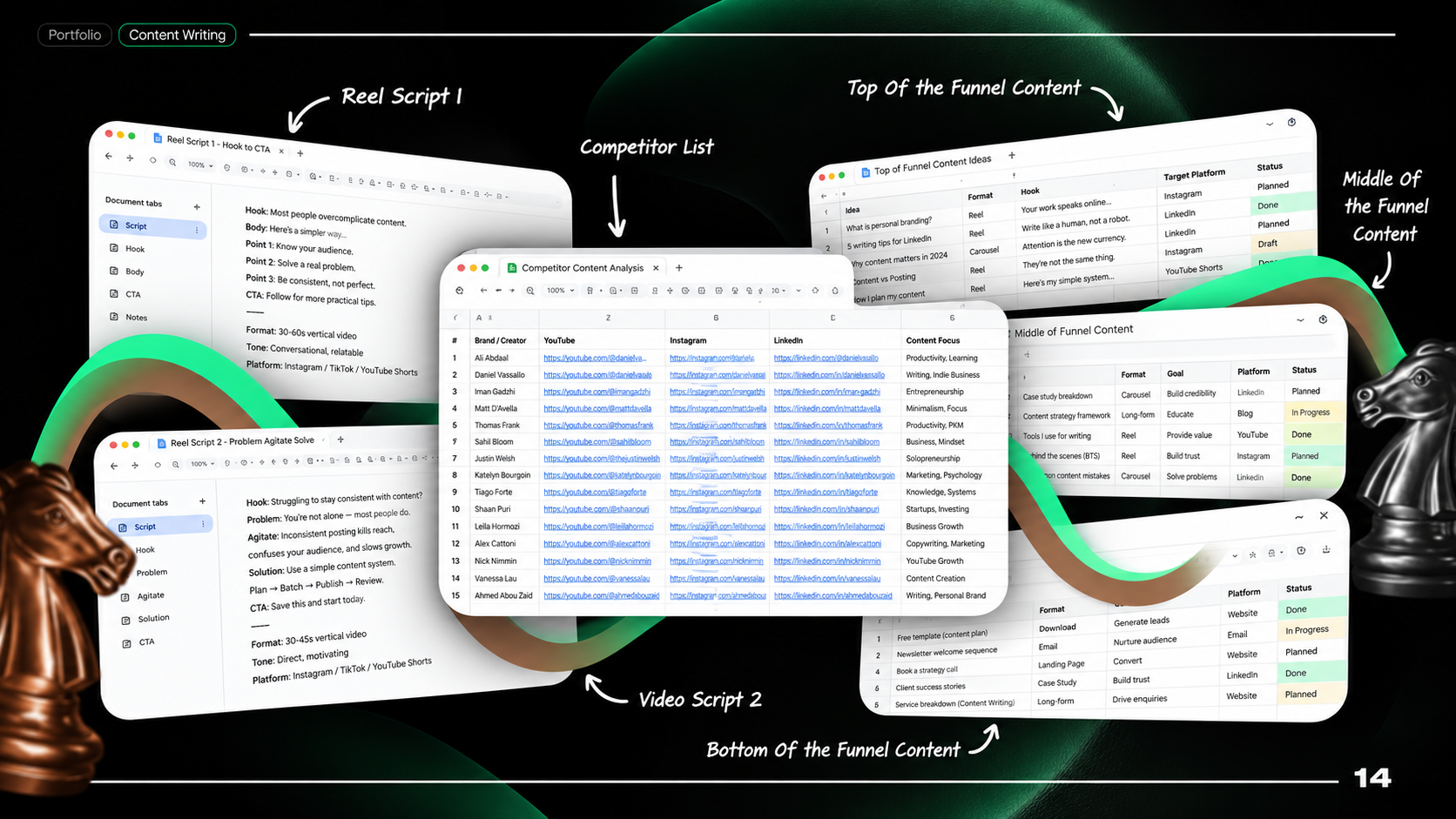
The output is not a generic audit. It is a prioritized view of technical issues, product demand, page opportunities and measurement gaps.
Technical, content, local and conversion findings in one prioritized review.
Products, products, questions, brands and locations mapped to suitable pages.
Search intent, structure, proof, internal links and conversion requirements.
Responsibilities, dependencies, priority order and practical validation checks.
Google Merchant Center, product feeds, collections and review opportunities.
Visibility, organic conversions and purchase-quality indicators.
Search, crawling, local and analytics data are reviewed together before priorities are set.
The measurement plan follows the journey from search appearance to suitable customer outcome.
Start with reliable data, fix the highest-value search gaps and validate each improvement against customer purchases and completed orders.
Confirm services, locations, systems, current performance and the meaning of a qualified purchase.
Review technical health, organic demand, competitors, pages, local signals and conversion tracking.
Complete or coordinate the technical, content, internal-link and local improvements with the clearest value.
Check implementation, review early evidence and sequence the next growth cycle.
Ecommerce SEO improves how stores, online stores and ecommerce brands appear when customers search for products, specialists and locations. It combines technical SEO, product and category optimization, useful content, structured data and conversion measurement.
Ecommerce SEO must manage large product catalogs, faceted navigation, duplicate URLs, stock changes, product schema and commercial search intent. Category structure, feed consistency, useful product information and internal linking are especially important.
Technical fixes and category improvements can create early movement, but competitive organic growth usually takes several months. Timing depends on the website, catalog size, market, competition, content quality and implementation pace. The first 90 days should establish a reliable baseline and complete the highest-priority work.
SEO can increase visibility for relevant product, category and brand searches, but traffic alone is not the goal. Product clarity, trust signals, checkout usability and customer experience also influence whether a suitable visitor becomes a paying customer.
Yes. Local ecommerce SEO can include category review, service information, location accuracy, review strategy, landing-page alignment and measurement for product views, checkout starts and purchases.
Yes. The workflow can include product review, content approvals and clear responsibilities for catalog accuracy. I can coordinate with merchandisers, internal marketers, developers and existing agencies.
Reporting can connect rankings, impressions and organic visits with calls, forms, checkout starts and completed orders where the systems allow it. This helps separate visible growth from commercially useful growth.
Tell me which services and locations matter, what is currently limiting organic growth and how your store defines a qualified enquiry.