
Search demand
Mapped service, problem, comparison and informational intent.
Case Studies/Organic Search
A detailed SEO engagement built around service demand, site structure, technical health and qualified enquiry measurement.
The website had expertise but no clear route from informational searches to commercial services. Important pages competed with each other. Reporting counted traffic without separating research visits from buying intent.
The audit connected channel data with page experience and lead quality.
Mapped service, problem, comparison and informational intent.
Reviewed crawling, indexing, duplication, page speed and internal discovery.
Checked whether each priority service had one clear destination.
Separated organic calls and forms from general traffic.
Figures are not reconstructed. Screenshots remain intact inside branded presentation frames.
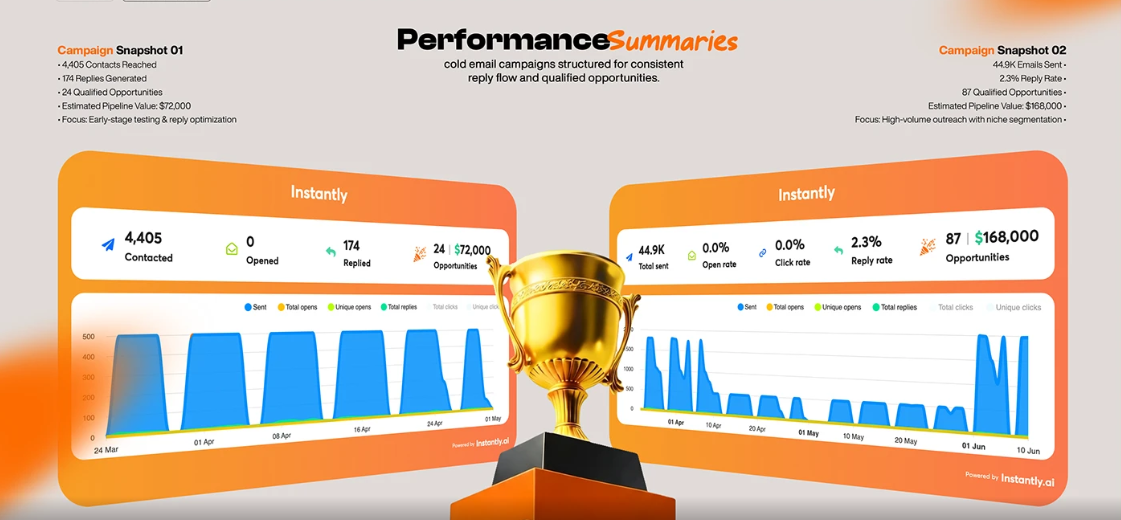
Evidence policy: Account names, customer data and commercially sensitive details remain confidential. A screenshot proves only what is visible inside that screenshot.
One page received ownership of each valuable search theme.
Indexation, metadata, duplication and internal discovery were reviewed.
Parent services, child services and supporting guides were connected with descriptive links.
Proof, process, objections and next steps were moved closer to commercial intent.
Reporting focused on enquiries and opportunity signals, not sessions alone.
The outcomes below describe the verified implementation and learning. They do not promise identical results for another business.
Priority services gained defined search roles.
Internal links made the hierarchy easier to understand.
Reporting connected organic work with enquiry intent.
Start with the commercial constraint, then choose the channel work that can solve it.
Share the service you want to grow, the evidence already available and where performance currently slows down. The first review identifies the most useful next step.
Understand the process, evidence and commercial focus before deciding whether this approach fits your goals.
I first review your search demand, current rankings, landing pages, competitors and sales goals. This shows whether the opportunity is large enough, where the fastest gains may come from and which pages should support enquiries rather than traffic alone.
Technical and on-page fixes can improve visibility within weeks, but stronger growth usually develops over several months. Timing depends on your starting authority, competition, content gaps and how quickly priority changes are implemented.
No. Rankings are useful indicators, but the commercial goal is qualified demand. Reporting should also consider relevant landing-page visits, enquiries, assisted conversions and the search topics that influence real buying decisions.
The most useful starting access is Google Search Console, GA4 and your website CMS. If those are not available, I can begin with a public site and competitor review, then confirm the measurement setup before implementation.
We discuss your priority services, markets and current challenge. You then receive a focused view of the main constraint, the pages or technical issues to address first and the clearest next step for implementation.
Share your website, priority service and current acquisition challenge.