
Local demand
Mapped services and real service areas to customer searches.
Case Studies/Local SEO
The programme aligned priority services, genuine service areas, trust and mobile actions around the way local customers choose.
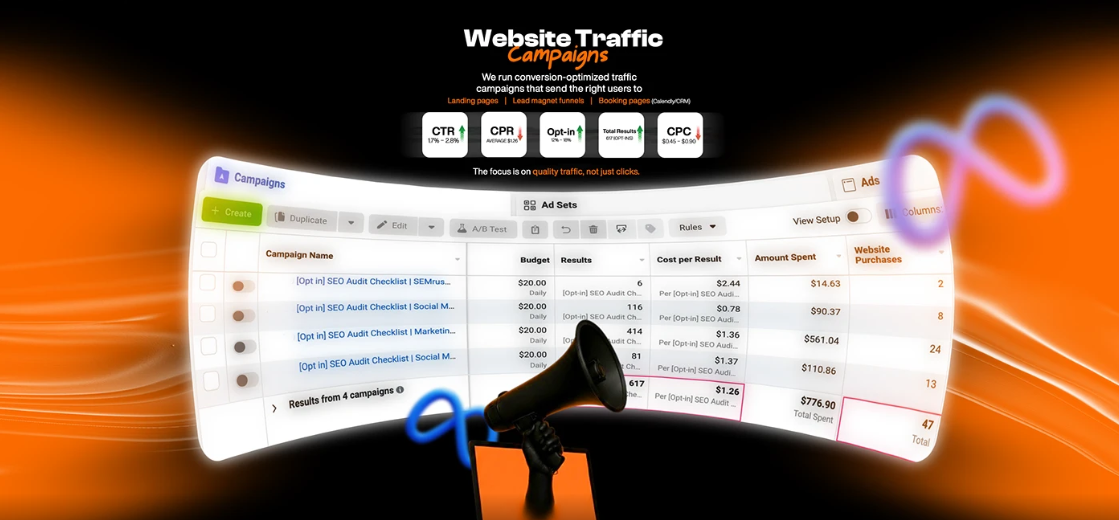
Business information, service pages and location coverage did not support one clear local position. Thin area content risked attracting visibility without giving customers enough reason to call or request a quote.
The audit connected channel data with page experience and lead quality.
Mapped services and real service areas to customer searches.
Reviewed categories, details, reviews and destination pages.
Checked whether each area page offered useful local context.
Reviewed calls, quote requests and location confirmation.
Figures are not reconstructed. Screenshots remain intact inside branded presentation frames.
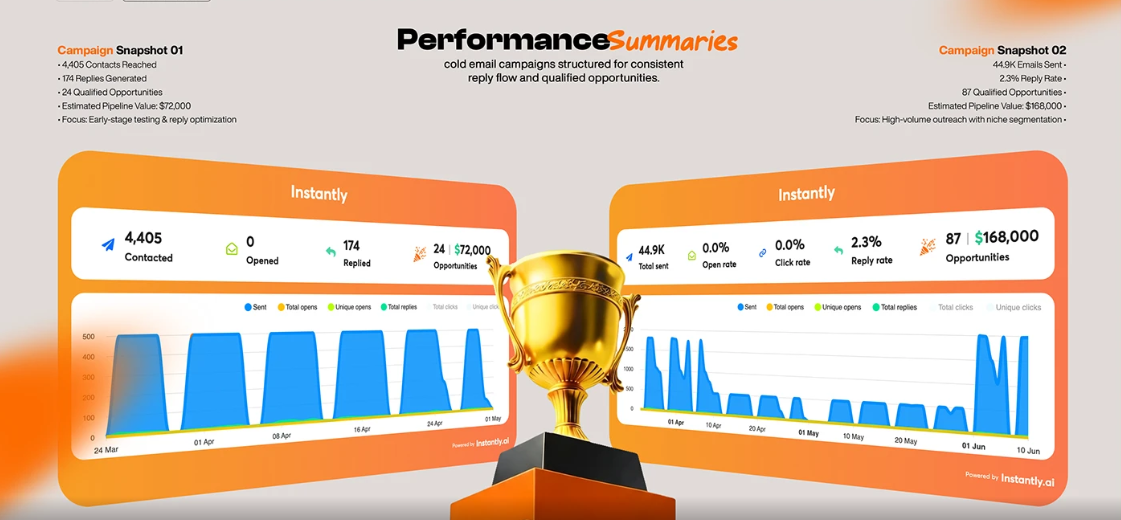
Evidence policy: Account names, customer data and commercially sensitive details remain confidential. A screenshot proves only what is visible inside that screenshot.
Local work focused on services the business could deliver well.
Profile and website details supported the same market position.
Location pages answered real customer questions with clear next steps.
Calls and quote actions became easier to find and complete.
Lead reporting separated raw contact from valuable enquiries.
The outcomes below describe the verified implementation and learning. They do not promise identical results for another business.
Profiles and pages supported the same services and areas.
Each location page had a customer purpose.
Reporting focused on calls and quote intent.
Start with the commercial constraint, then choose the channel work that can solve it.
Share the service you want to grow, the evidence already available and where performance currently slows down. The first review identifies the most useful next step.
Understand the process, evidence and commercial focus before deciding whether this approach fits your goals.
Yes, when the business is eligible and there is relevant local demand. The review checks your Google Business Profile, website location signals, categories, reviews, citations and the strength of nearby competitors.
Some profile, category and website fixes can show movement within weeks. Competitive map results often take longer because proximity, prominence, review strength and local authority all influence visibility.
Yes. Strong local performance normally needs both. The profile helps Google understand the business and location, while the website provides detailed service relevance, proof and a clear path to call or enquire.
Useful measures include qualified calls, direction requests, booked appointments, enquiry forms and leads from local landing pages. Rankings are monitored, but they are not treated as the final business result.
Share your target locations, priority services, Google Business Profile and current lead concerns. This helps identify whether the main issue is visibility, trust, landing-page conversion or tracking.
Share your website, priority service and current acquisition challenge.